

Sleep Apnea Treatment at Derek M. Stephens, DDS in Merrillville IN
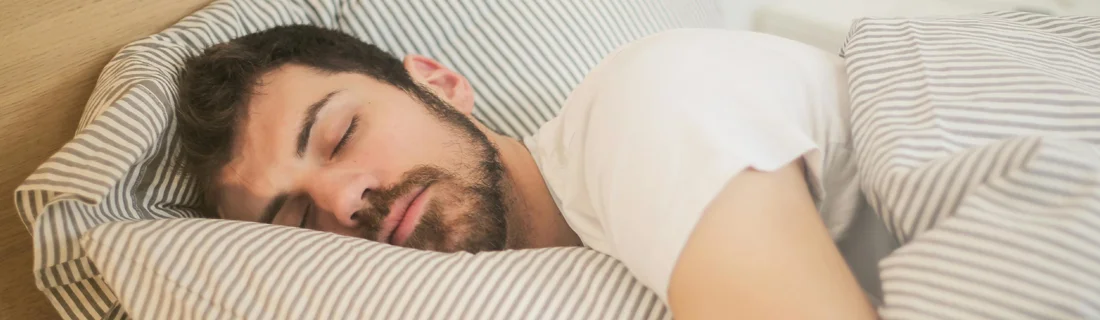
Sleep apnea can disrupt breathing during sleep and affect your energy, focus, and health. At Derek M. Stephens, DDS, we offer effective treatment options designed to improve airflow and support better rest. Our team helps identify the cause and provides practical solutions for long-term sleep improvement.
What Sleep Apnea Is and Why Treatment is Essential?
Sleep apnea is a sleep condition in which breathing repeatedly slows or stops during the night, usually because the airway becomes blocked or too narrow while you sleep. When airflow drops, the body briefly wakes up to restart breathing, and these repeated interruptions prevent deep, restful sleep even if you spend many hours in bed.
Many people do not realize this is happening because they may not fully wake up, but they still feel tired, unfocused, and low on energy the next day. Sleep apnea is not only about snoring, although loud snoring is a common warning sign. The condition can affect overall health because low oxygen levels and poor sleep quality can put extra stress on the heart and body over time.
If sleep apnea is left untreated, it may increase the risk of high blood pressure, heart issues, mood changes, and problems with memory and concentration.
Common signs of sleep apnea include:
- Loud snoring, choking, or gasping during sleep.
- Waking up with a dry mouth, sore throat, or headache.
- Feeling tired even after a full night of sleep.
- Daytime sleepiness, low energy, or irritability.
- Trouble focusing and slower thinking during the day.
Treating sleep apnea helps improve sleep quality, supports healthier breathing, and protects your long-term wellness in a very meaningful way.
How Oral Appliance Therapy Helps With Sleep Apnea
Oral appliance therapy is a personalized treatment option that helps many people breathe more easily throughout the night. An oral appliance is a small device that fits comfortably in your mouth while you sleep and gently repositions the lower jaw forward to keep the airway open.
When the airway stays open, breathing becomes steadier, and the risk of blockage that causes sleep apnea episodes becomes much lower. Many patients prefer oral appliances because they are simple and easy to use. Unlike CPAP machines, oral appliances do not involve a mask, tubing, or machine noise, so the experience often feels more natural.
They are also easy to travel with, easy to clean, and more comfortable for people who struggle with bulky equipment or who feel restless while sleeping. Oral appliances are commonly recommended for mild to moderate obstructive sleep apnea. They can also be helpful for people who cannot tolerate CPAP or prefer a more convenient treatment.
When worn consistently, oral appliance therapy can reduce snoring, improve airflow, and support deeper sleep, often leading to better energy, mood, and daily performance.
What to Expect During Your Sleep Apnea Evaluation
Sleep apnea treatment should begin with a detailed evaluation because tiredness and poor sleep can have many causes, and the right plan depends on your symptoms and sleep patterns. During your visit, your dentist will ask questions about snoring, daytime fatigue, morning headaches, dry mouth, and frequent nighttime awakenings.
These details help identify patterns strongly suggestive of sleep apnea and guide the next steps in care. A dental evaluation also helps the dentist understand your airway and jaw structure. The dentist may examine your tongue position, jaw shape, and how your teeth fit together, because these details affect whether an oral appliance will work comfortably and effectively.
Many patients are also asked about teeth grinding or jaw soreness, since these issues can affect appliance comfort and long-term wear.
Your evaluation may include:
- Reviewing symptoms and overall health history.
- Examining jaw position and airway space.
- Checking for teeth grinding and enamel wear.
- Reviewing sleep study results, if available.
- Discussing whether oral appliance therapy is right for you.
In many cases, a sleep study is recommended to confirm sleep apnea and determine its severity, so treatment can be matched to your needs.
Custom Oral Appliances vs CPAP for Sleep Apnea
CPAP is a common treatment for sleep apnea and can be very effective when used consistently. It works by delivering a steady flow of air through a mask to keep the airway open, which reduces breathing interruptions during sleep.
However, many people find CPAP hard to use every night because the mask may feel uncomfortable, the machine may feel noisy, and the setup can be inconvenient, especially for travel. Custom oral appliances offer an alternative that many patients find easier to accept.
Instead of pushing air into the airway, an oral appliance helps prevent airway collapse by gently moving the lower jaw forward. Because the device is small and fits in the mouth, it often feels less disruptive, and many patients find it easier to build it into a nightly routine.
Oral appliances are often recommended for mild to moderate obstructive sleep apnea, and they can also be useful for patients who cannot tolerate CPAP. Choosing between CPAP and an oral appliance depends on your sleep apnea severity, comfort level, and lifestyle needs, which is why professional guidance matters when selecting treatment.
Benefits of Treating Sleep Apnea for Daily Life and Health
Treating sleep apnea can create major improvements in daily life because better breathing at night allows the body to reach deeper, more restorative sleep. Many patients notice that they wake up feeling more refreshed and alert, instead of feeling drained even after many hours of sleep.
Better sleep can also improve mood, reduce irritability, and make it easier to focus at work, school, and daily responsibilities. Sleep apnea treatment also protects long-term health because untreated sleep apnea can increase stress on the heart and raise systemic inflammation.
Over time, this may increase the risk of high blood pressure and other serious health problems, especially when low oxygen levels happen repeatedly during sleep.
Benefits of sleep apnea treatment may include:
- Better sleep quality with fewer nighttime wake-ups.
- Reduced snoring and fewer breathing interruptions.
- More energy and less daytime fatigue.
- Improved focus, memory, and daily performance.
- Lower risk of long-term health complications.
When sleep improves, many people also find it easier to stay active and maintain healthier habits, which supports better overall wellness.
How to Care for a Sleep Apnea Oral Appliance for Best Results
A sleep apnea oral appliance can work well when used regularly and cared for properly, because it is worn for many hours each night and accumulates saliva and bacteria over time. Keeping it clean helps protect your oral health and the device's comfort.
If the appliance is not cleaned regularly, it can develop stains, odor, and buildup that may irritate your gums or make it harder to wear. A clean appliance usually feels smoother and fits better, which makes it easier to use consistently.
Most appliances are easy to maintain with a simple routine. It is usually best to rinse it each morning and gently clean it with a soft toothbrush, avoiding harsh toothpaste or very hot water, which could damage the material.
Storing the appliance safely also matters because heat and accidental pressure can warp or crack it over time. Regular dental visits help your dentist check the fit, spot wear early, and ensure the appliance continues to support healthy breathing at night.
Meet Your Dentist
Payment and Insurance
Our practice accepts many insurance plans, including Medicare Advantage and Indiana Medicaid, and CHIP. We accept all payment methods for co-pays and other costs. For those without insurance, we offer affordable financing options through companies like CareCredit.
Arrange Your Visit Today!
Struggling with sleep issues? Derek M. Stephens, DDS offers effective sleep apnea treatment options. Call us or stop by our clinic to learn more.
Contact Information:
Derek M. Stephens, DDS
408 E 86th Ave
Phone: (219) 888-9225

OFFICE HOURS
Monday
10:00am - 2:00pm
Tuesday
10:00am - 2:00pm
Wednesday
Closed
Thursday
10:00am - 2:00pm
Friday
10:00am - 2:00pm
Saturday
*2 Saturdays of the month
8:00am - 12:00pm
Sunday
Closed

Derek M. Stephens, DDS
408 E 86th Ave
Merrillville, IN 46410